Can Rabbits Eat Cabbage? Gas, Safe Amounts and Which Types
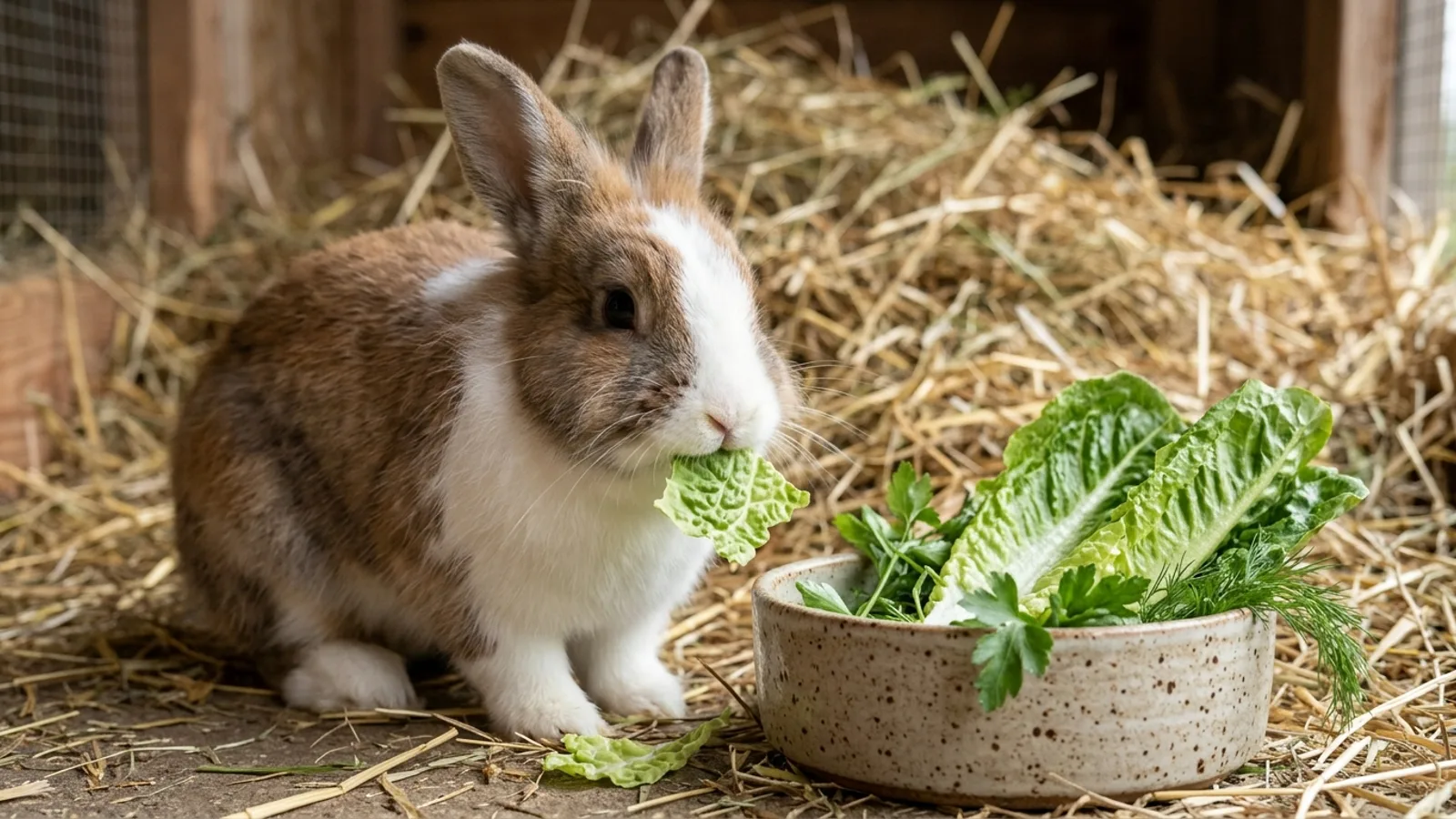
Can rabbits eat cabbage? Yes. Cabbage is safe for most rabbits in small amounts, and any type, from green to red to savoy, can be part of a varied mix of vegetables. The catch is that cabbage can make some rabbits gassy, and too much can cause other problems, so introduce it slowly and keep portions small.
Cabbage is one of the most debated vegetables in rabbit care: some sources list it as safe, others warn against it. Below we explain why they disagree, how much is safe, which types to try, the signs that cabbage does not suit your rabbit, and a simple 5-day plan for trying it.
Every rabbit is different, so treat this as general guidance and talk to your vet before adding new foods, especially if your rabbit has had gut problems.
| Quick verdict | Cabbage for rabbits |
|---|---|
| Safe | Small amounts of washed, raw cabbage of any type, as one of several vegetables, for healthy adult rabbits |
| Sometimes | Cabbage for rabbits with sensitive tummies: try a tiny piece and watch closely |
| Skip | Large daily portions, cooked or pickled cabbage (coleslaw, sauerkraut), and cabbage for babies under 12 weeks |
Is cabbage bad for rabbits? Why the experts disagree
If you have searched this before, you have probably seen conflicting answers. Here is what the main organisations say:
| Source | What it says about cabbage |
|---|---|
| House Rabbit Society | Lists "cabbage (any type)" among safe non-leafy vegetables |
| PDSA | Safe, but one of the vegetables (with broccoli, Brussels sprouts and spinach) to give only in moderation |
| RSPCA Australia | Can be fed, but "may cause some gas and bloating in some individuals" |
| Rabbit.org | Safe, but "too much can cause enlargement of the thyroid and digestive problems" |
| SPCA New Zealand | Lists it under unsafe vegetables, for the same reason: too much can cause thyroid and digestive problems |
So the disagreement is mostly about how much, not whether a single leaf is harmful. Rabbit.org also quotes veterinarian Dr. Susan Brown saying there is "no cause for concern" in feeding the broccoli and cabbage family as part of a varied diet. Every source agrees that a big daily pile of cabbage is a bad idea.
Why does cabbage make some rabbits gassy?
Writing for the Rabbit Welfare Association & Fund, veterinary surgeon Nadene Stapleton explains that some of the bacteria in a rabbit's gut produce gases such as methane as they digest food. Each rabbit has different gut bacteria, so the idea that one vegetable makes every rabbit gassy is not correct. Some rabbits handle cabbage perfectly well; others do not. The only way to know is to try a small amount and watch.
How much cabbage can a rabbit eat?
Cabbage counts as a non-leafy vegetable on the House Rabbit Society's list, and Rabbit.org suggests non-leafy vegetables of around 1 tablespoon per 2 lb of body weight per day, in total, not per vegetable. Cabbage should be one part of that mix.
A practical rule for a healthy adult rabbit that tolerates it well:
- Small rabbit (2–4 lb): a piece of leaf about the size of a playing card, two or three times a week
- Medium rabbit (5–7 lb): one to two pieces that size, two or three times a week
- Large rabbit (8–12 lb): up to two or three pieces that size, two or three times a week
These amounts are our own conservative reading of the guidelines, not an official portion. Rotate cabbage with other vegetables rather than feeding it every day; Nadene Stapleton recommends small amounts of many different greens rather than a large amount of any one thing.
Which types of cabbage can rabbits eat?
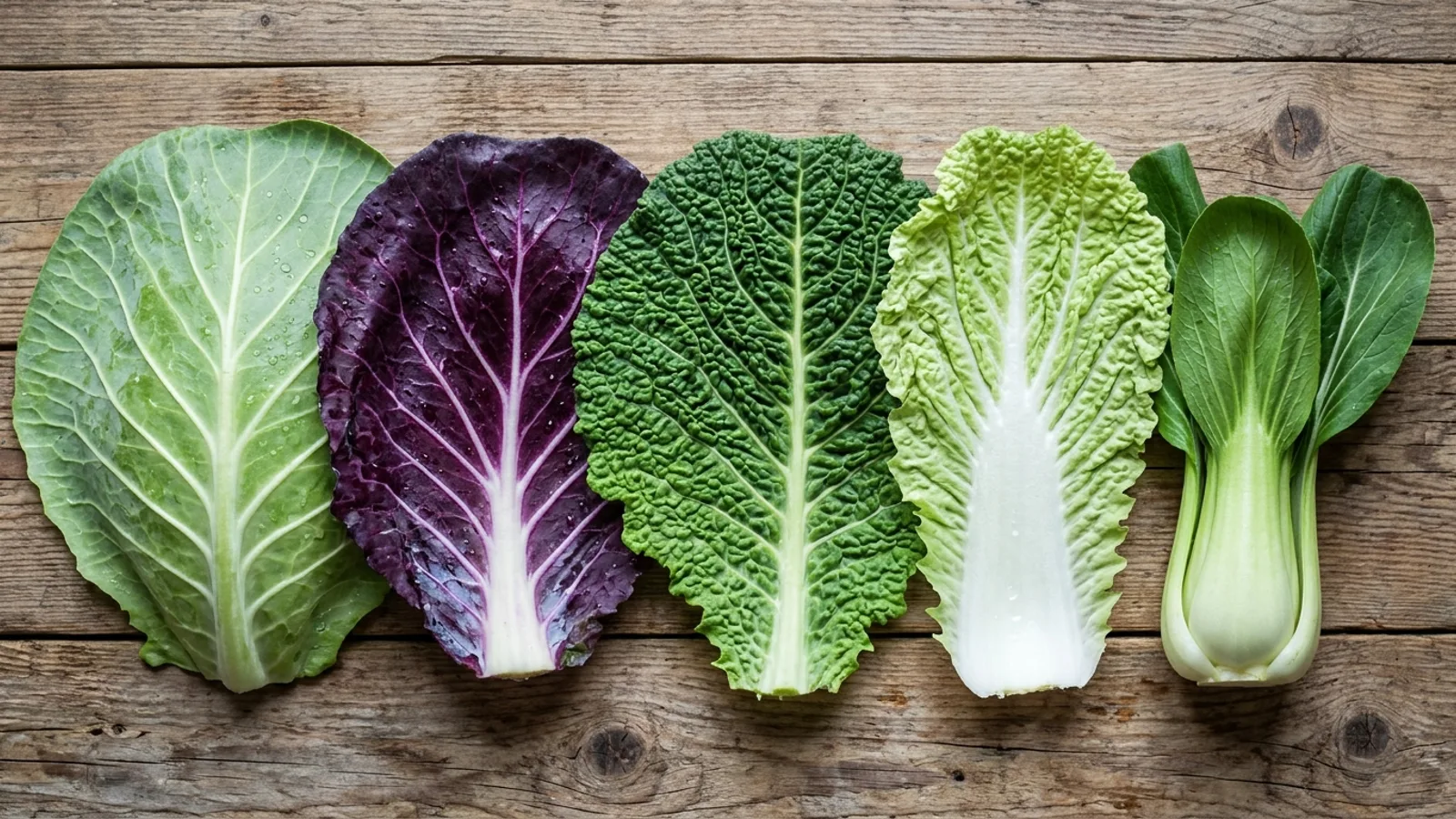
Can rabbits eat red cabbage, savoy or napa? The House Rabbit Society lists "cabbage (any type)", so all the common kinds are fine in the same small portions:
| Type | Notes |
|---|---|
| Green cabbage | The classic. Use the outer leaves too, once washed |
| Red (purple) cabbage | Safe like green cabbage; treat it the same way |
| Savoy cabbage | Crinkly leaves; same small portions |
| Napa (Chinese) cabbage | Same small portions |
| Bok choy (pak choi) | On the House Rabbit Society's list of leafy greens, and Rabbit.org's safe leafy greens |
Whatever the type, serve it raw and washed. The House Rabbit Society recommends washing produce for at least two minutes in a bowl, changing the water several times, as a precaution against the RHDV2 virus. Never feed cooked, pickled or dressed cabbage such as coleslaw or sauerkraut: those are made for people.
A 5-day plan to introduce cabbage
Nadene Stapleton suggests adding one new item at a time and feeding the mix daily for 3–5 days before adding the next. Rabbit.org adds: introduce only one new vegetable on a given day and stop it if droppings turn soft. Here is how that looks for cabbage:
- Day 1: offer a piece of leaf the size of a postage stamp with your rabbit's usual greens.
- Day 2: check the droppings. Round, firm and plentiful? Offer the same small piece again.
- Day 3: still normal? Double it to two stamp-sized pieces.
- Day 4: keep the same amount and watch for any of the warning signs below.
- Day 5: if all is well, cabbage can join your rabbit's rotation at the amounts above.
If droppings get soft, your rabbit seems uncomfortable, or it eats less at any point, stop the cabbage. Do not introduce any other new food at the same time, so you know what caused any change.
Signs cabbage does not agree with your rabbit
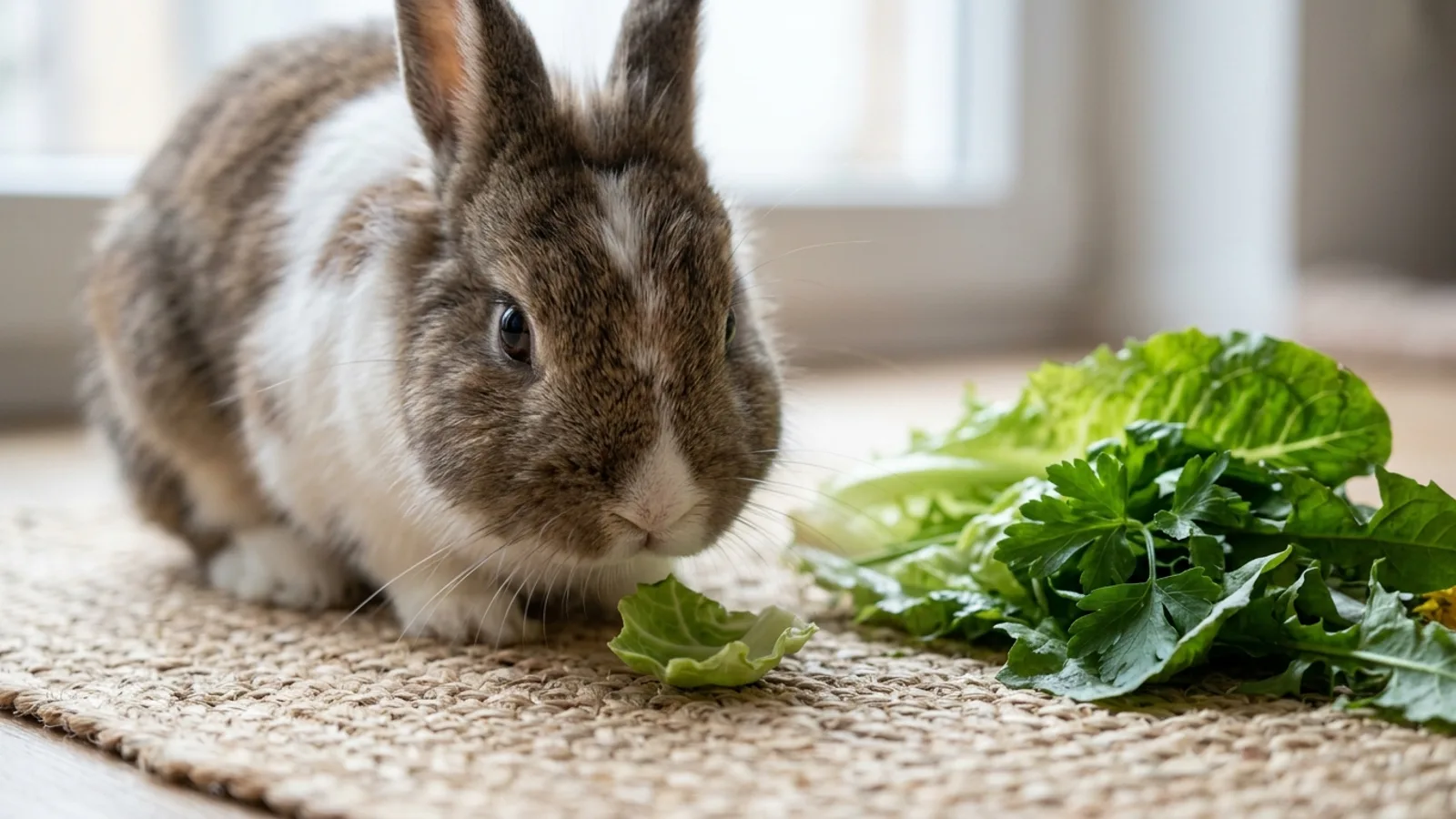
Stop feeding cabbage and keep a close eye on your rabbit if you notice:
- Soft droppings
- Smaller, fewer or no droppings
- Loss of appetite
- A hard, bloated tummy or excessive gas
- Sitting hunched or not moving
The RSPCA lists the last four as signs of gut stasis and says to take your rabbit to a vet immediately if you suspect it, because it can become life-threatening quickly. The Rabbit Welfare Association also warns against giving rabbits products developed for human use without your vet's approval, so do not reach for human gas remedies.
Frequently asked questions
Can bunnies eat cabbage every day?
It is better not to. Even the sources that list cabbage as safe recommend moderation, and too much can cause thyroid and digestive problems. Two or three times a week, rotated with other vegetables, is a safer pattern.
Can rabbits eat cabbage stalks and cores?
The sources we checked list cabbage without naming specific parts. The tough core is hard to chew, so we suggest sticking to the leaves.
Is cabbage good for rabbits?
Cabbage for rabbits adds crunch and variety, and veterinarian Dr. Susan Brown, quoted by Rabbit.org, calls the cabbage family "nutritious foods". It just needs to be one vegetable among many, not the main one.
Can baby rabbits eat cabbage?
Not before 12 weeks. Rabbit.org says vegetables should only be fed to baby rabbits after 12 weeks of age, one at a time and in amounts under ½ oz. For a young rabbit, gentler greens are a better first vegetable than cabbage.
The takeaway
Can rabbits eat cabbage? Yes, in small amounts, raw and washed, two or three times a week, as part of a varied mix with plenty of hay. Introduce it slowly, watch the droppings, and stop if your rabbit gets gassy or eats less. Your next step: if your rabbit has never had cabbage, start the 5-day plan above this week. For more vegetable ideas, see our guides to celery for rabbits and safe foods for rabbits, and for treats, bananas.
This article is for general information and is not a substitute for advice from a veterinarian.